When You're Gone, What Happens to the Kicks? Planning Your Yeezy Collection Into the Future
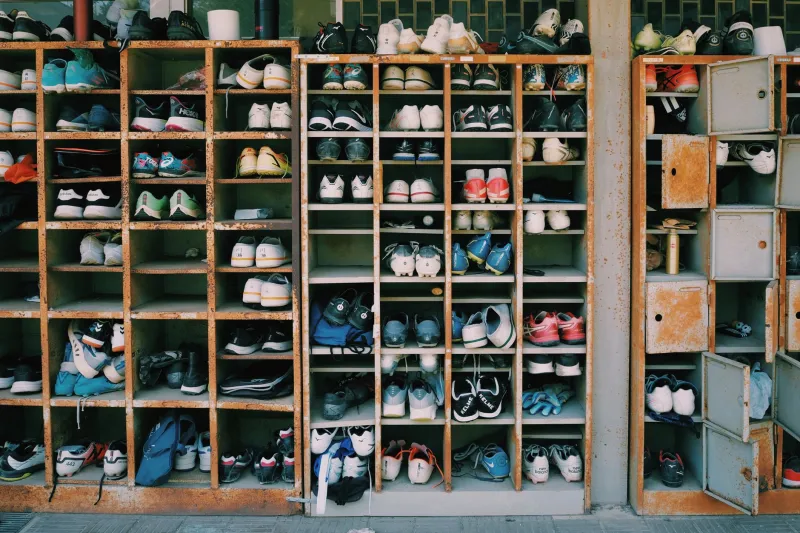
There's a conversation happening in collector circles that nobody really wants to have. It's not about which colorway is going to pop next or whether a particular silhouette is undervalued. It's about what happens to a $40,000 Yeezy collection — or a $200,000 one — when the person who built it is no longer here to manage it.
Estate planning for sneakers sounds almost absurd until you do the math. A serious collector with a deep archive of early Yeezy Boost releases, Yeezy Season apparel, and a handful of ultra-rare one-offs could easily be sitting on assets that rival a used car, a college fund, or a down payment on a house. And most of those collectors have no legal framework in place to handle what happens to those assets after they're gone.
That's a problem. Let's talk about how to fix it.
Your Collection Is a Financial Asset — Treat It Like One
The first mental shift collectors need to make is simple but uncomfortable: your Yeezys aren't just sneakers. They're personal property with real market value, and the law treats them the same way it treats any other asset you own at the time of your death.
That means they're subject to probate if you don't plan ahead. It means their value could factor into your taxable estate. And it means that if you haven't left clear instructions, the people who inherit your collection might have no idea what they have, what it's worth, or how to sell it without getting taken advantage of.
"I've seen families try to liquidate sneaker collections after a death and lose significant money because they didn't know the market," says estate attorney Rachel Nwosu, who practices in the greater Los Angeles area and has worked with several high-net-worth collector clients. "They went to eBay, accepted the first offer they got, and walked away with a fraction of what the collection was worth."
That scenario is entirely preventable.
Getting a Proper Valuation
Before you can plan anything, you need to know what you're working with. That means getting your collection professionally valued — not just eyeballing recent StockX sales and doing rough math in your head.
For insurance and estate purposes, you want documentation that will hold up. A few options:
Authenticated resale platforms. StockX, GOAT, and similar platforms can provide recent transaction data that establishes market value for specific pairs. This isn't a formal appraisal, but it's useful supporting documentation.
Sneaker-specific appraisers. A small but growing number of professionals specialize in appraising streetwear and sneaker collections for insurance or estate purposes. Look for someone with verifiable credentials and experience with the specific brands in your collection.
Major auction houses. If your collection includes genuinely rare pieces, houses like Sotheby's and Christie's — both of which have sold sneakers at auction — may offer appraisal services or be able to refer you to qualified appraisers.
Update your valuation periodically. The Yeezy market moves, and a valuation from three years ago may be significantly off from current reality in either direction.
Insurance: The Step Most Collectors Skip
Your homeowner's or renter's insurance almost certainly does not cover your Yeezy collection at anything close to its actual value. Standard policies have low limits for personal property and often exclude or severely cap coverage for collectibles.
Specialty collectibles insurance is the answer here. Providers like Chubb, Berkley One, and a handful of others offer policies specifically designed for high-value collections. You'll need that appraisal documentation to get proper coverage, which is another reason to get it done.
For a collection worth $50,000 or more, the annual premium on a proper policy is usually a small fraction of the collection's value and absolutely worth it. This protects you now and protects your heirs later by ensuring the collection is covered during any transition period after your death.
Wills, Trusts, and Clear Instructions
Here's where most collectors are flying completely blind. A basic will can specify who receives your collection, but it doesn't protect you from probate — a court-supervised process that can be slow, public, and expensive.
A revocable living trust is often a better vehicle for valuable collections. Assets held in a trust pass directly to your named beneficiaries without going through probate, which means faster transfer, lower costs, and privacy. You can also include detailed instructions within the trust document about how the collection should be managed, sold, or kept intact.
"If you have a collection worth more than $20,000, you should at minimum have a will that specifically addresses it," says Nwosu. "If it's worth $50,000 or more, I'd strongly recommend a trust. And regardless of the dollar amount, you should leave written documentation — separate from the legal documents — that explains what each piece is, what it's worth, and how to sell it responsibly."
That last part is crucial. Your heirs may not know the difference between a Yeezy 350 v1 Turtle Dove and a 2022 350 v2. They need a roadmap.
Tax Implications: Don't Get Caught Off Guard
For 2024, the federal estate tax exemption sits at $13.61 million per individual. Most collectors won't hit that threshold with their sneaker collection alone, but it's worth knowing where you stand, especially if you have other significant assets.
More immediately relevant for many collectors: capital gains tax. If your heirs sell pieces from your collection, they may owe taxes on the appreciation. However, assets inherited after death typically receive a "step-up" in cost basis to the fair market value at the time of death — which can significantly reduce the tax hit compared to if you'd sold the pieces yourself.
Talk to a CPA or tax attorney who understands collectibles. This is not an area where general advice substitutes for professional guidance tailored to your specific situation.
Passing It Down vs. Liquidating
Not every heir is going to want a wall of Yeezys. Some will. Some won't. It's worth thinking now about which scenario you're planning for.
If you want the collection to stay intact — maybe you have a kid who shares your passion and would genuinely value inheriting it — your trust documents can include provisions that encourage or require keeping the collection together for a set period before any sale.
If liquidation is the more likely outcome, leave your heirs a clear list of reputable platforms and, if possible, connections to dealers or resellers you trust. The difference between a family that knows to approach a reputable auction house and one that posts everything on Facebook Marketplace can be tens of thousands of dollars.
You built this collection piece by piece, often over years, with real money and genuine passion. Taking a few hours to plan what happens to it after you're gone is the least you can do — for your heirs, and honestly, for the culture you've been a part of.