Same Shoe, Different Foot: The Maddening Truth About Yeezy Sizing Across Seasons
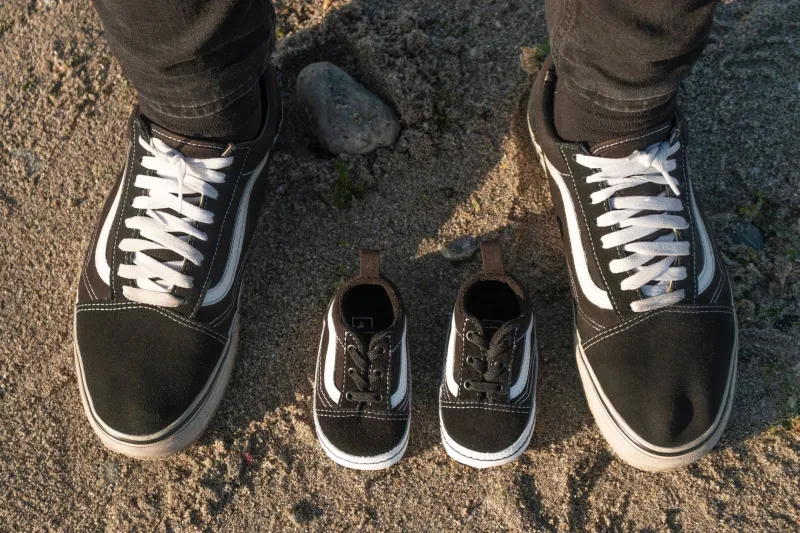
You bought the 350 V2 in a US 10 back in 2017. It fit perfectly — snug through the midfoot, just enough toe room, that signature Primeknit wrap feeling like the shoe was made for you. So when you copped the same silhouette three years later in a new colorway, you figured it was a safe bet. Same size. Same shoe. Easy.
Except it wasn't. Not even close.
This is one of the most common complaints echoing through Yeezy collector communities right now, from Reddit threads to Discord servers to the comment sections right here on Yeezy Source. The sizing on these shoes — across different production years, different colorways, and different manufacturing facilities — is genuinely inconsistent in ways that go beyond normal sneaker variation. And if you're buying or reselling without accounting for it, you're setting yourself up for an expensive headache.
Why Sizing Even Changes in the First Place
Here's the thing most people don't realize: sneakers aren't made in one place by one set of hands using one set of molds. Yeezy production has shifted between factories over the years, and each facility brings its own tolerances, lasts, and quality control standards to the table. Adidas has used manufacturing partners across Asia — primarily in China — but the specific factories handling Yeezy runs have changed as production scaled up dramatically after the line exploded in popularity.
When you're producing millions of pairs instead of thousands, small variations in last dimensions, knit tension, and foam density add up. A 2mm difference in last width sounds trivial until you're trying to squeeze into a pair that suddenly feels like it was designed for a narrower foot than yours.
Primeknit construction adds another layer of complexity. Unlike traditional leather or synthetic uppers, knit materials behave differently depending on thread tension, knit pattern density, and even ambient temperature during production. Two pairs of the same shoe, made six months apart, can have noticeably different stretch characteristics straight out of the box.
The 350 V2 Problem
The 350 V2 is probably the most documented case of Yeezy sizing drift, simply because it's been in production the longest and has the most colorways to compare. Early releases from 2016 and 2017 — your Creams, your Zebras, your Beluga 2.0s — tend to run slightly smaller than later releases. The general collector consensus that developed around that era was to size up half a size, and for most people that advice held up pretty well.
But jump to releases from 2020 onward and that half-size-up guidance starts to feel shaky. Multiple collectors have reported that more recent 350 V2 pairs feel more generous through the toe box and midfoot, making that half-size-up feel sloppy rather than comfortable. Some people who sized up for years are now going true to size on newer drops and finding a better fit.
The frustrating part? There's no official acknowledgment of any of this. No updated sizing guidance from Adidas. No chart that tells you "Beluga 2.0 runs small, Mono Ice runs true." You're left piecing it together from community knowledge and your own trial and error.
Foam and Midsole Variation
It's not just the upper, either. The Boost midsole — one of the signature selling points of the entire line — has reportedly varied in firmness and compression across production runs. Some collectors describe early pairs as feeling noticeably more cushioned underfoot compared to later versions of the same model. Whether that's actual Boost density variation or simply the difference between broken-in foam and fresh foam is hard to say without controlled testing, but the perception is widespread enough that it's worth flagging.
The 700 and 500 silhouettes have their own sizing quirks. The 700 tends to run large — most experienced buyers go down a half size — but again, that guidance isn't universal across every colorway or production wave. The 500, with its chunky EVA midsole and more structured upper, has been reported as running narrow by people with wider feet, regardless of length.
What Resellers Need to Know
If you're moving pairs on the secondary market, sizing inconsistencies are a customer service problem waiting to happen. A buyer who orders a size 10 based on their experience with an older pair and receives something that fits completely differently is going to be unhappy — and depending on the platform, that unhappiness might land back on you in the form of a return request or a negative review.
The smartest move is to get specific in your listings. Don't just list the size on the tag. Note the year of release, the colorway, and — if you've tried them on or have access to measurements — any relevant fit observations. Phrases like "fits true to size per recent 350 V2 runs" or "runs slightly long compared to earlier pairs" give buyers useful context and reduce the chance of a dispute.
If you're buying to flip, factor potential sizing issues into your risk assessment. A pair in a size that's notoriously tricky — say, a men's 8.5 in a silhouette known for running small — might sit longer than you'd expect because buyers are gun-shy about getting burned.
A Practical Sizing Framework for Buyers
So what do you actually do with all this? Here's a working framework based on community consensus and collector experience:
Yeezy 350 V2 (pre-2019 releases): Size up half a size. The toe box is snug and the knit doesn't have as much give as later versions.
Yeezy 350 V2 (2020 and later): Try true to size first. If you're between sizes, still lean half up, but don't automatically assume the older guidance applies.
Yeezy 700 (all versions): Size down half a size. This one is pretty consistent across the line.
Yeezy 500: True to size for most people, but if you have a wider foot, consider going up half. The upper doesn't stretch much.
Yeezy Foam Runner: Size down a full size. This is the most extreme sizing quirk in the entire lineup and catches people off guard constantly.
Yeezy Slides: Size down one full size. Same deal — the molded construction leaves no room for error.
When in doubt, check the specific colorway's community feedback before you buy. Reddit's r/Yeezy and various Discord servers have sizing threads for most major releases. That five minutes of research can save you from a pair that doesn't fit and a resale loss you didn't see coming.
The Bottom Line
Yeezy sizing has never been perfectly consistent, and the gap between what's printed on the insole and what actually fits your foot has only gotten wider as production scaled up and shifted between facilities. It's one of the more annoying realities of collecting this line — especially when you're spending real money on secondary market pairs.
But it's manageable if you go in informed. Know the silhouette, know the release era, check the community, and when you're buying blind, buy from sellers who offer returns. The days of blindly trusting your usual size on any Yeezy are long gone — if they ever really existed at all.