Don't Get Burned: Your No-BS Guide to Spotting Fake Yeezys Before You Buy
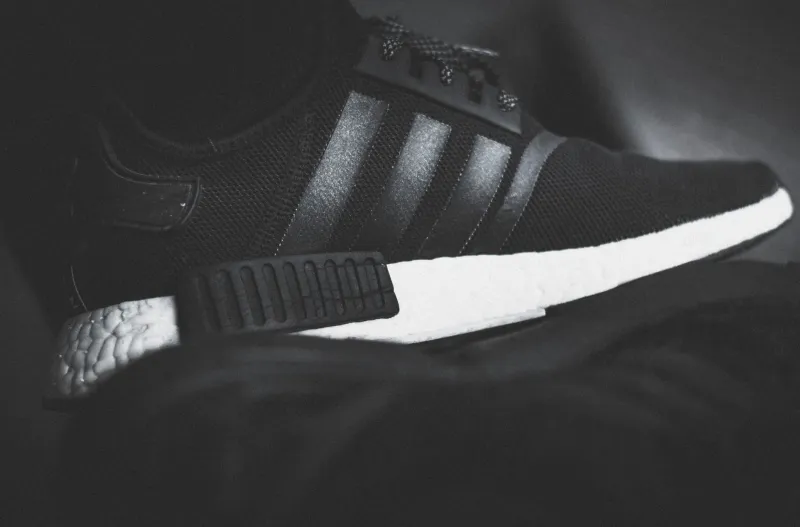
Let's set the scene: you find a pair of Yeezy Boost 350 V2s on eBay. The seller has decent feedback, the price is a little below average but not suspiciously so, and the photos look fine at first glance. You pull the trigger. The box arrives, you lace them up, and something feels off. You post in a Discord server. Within minutes, someone replies: "bro those are reps."
It happens more than you'd think. The counterfeit Yeezy market is enormous — these are among the most faked sneakers on the planet — and the quality of replicas has improved dramatically over the past several years. What used to be obvious fakes are now convincing enough to fool people who've been in the game for a while. That's why authentication knowledge isn't optional if you're buying or selling in the secondary market. It's the price of entry.
This guide is built to be practical. We're going through the most important Yeezy silhouettes, identifying the specific markers that separate legit pairs from frauds, and giving you a checklist you can actually use the next time you're evaluating a purchase.
Start With the Box: More Information Than You Think
Authentication starts before you even touch the shoe. The Adidas box for Yeezy releases carries a surprising amount of telling detail, and counterfeiters often get it subtly wrong.
Label accuracy: The sticker on the side of the box should list the style code, colorway name, size, and barcode. Cross-reference the style code with the known code for that specific colorway — these are publicly documented and easy to verify. On fakes, you'll often find style codes that don't match the colorway, or formatting that's slightly off (wrong font weight, inconsistent spacing).
Box color and material: Authentic Yeezy boxes use a specific shade of brown cardboard that's become familiar to experienced collectors. Fakes frequently come in boxes that are either too orange, too light, or made from thinner cardboard that feels noticeably cheaper.
Logo placement and font: The Adidas logo on the box label should be crisp and precisely positioned. Smudging, off-center placement, or slightly incorrect letter spacing are all red flags.
Size tag inside the shoe: The tag sewn into the heel of the shoe should match the box exactly — same size, same country of manufacture, same style code. Mismatches between the shoe tag and box label are an immediate authentication failure.
The 350 V2: Most Faked, Most Documented
The Boost 350 V2 is the most counterfeited Yeezy by a wide margin, which means there's also the most documentation on how to authenticate it. Here's where to focus:
Primeknit pattern: The woven upper on a real 350 V2 has a specific pattern with consistent tension throughout. Fakes often show looser, less uniform weaving — look closely at the area around the heel and the midfoot. The pattern should feel almost mechanical in its consistency on a real pair.
The stripe: On colorways with a visible side stripe (like the 'Zebra' or 'Bred'), the stripe should be cleanly defined with no fraying or bleeding at the edges. Fakes frequently show fuzzy borders where the stripe meets the surrounding knit.
Boost sole: This is a big one. The Boost material on the bottom of a real 350 V2 has a specific texture — small, tightly packed pellets that feel dense and springy. Replica Boost often looks right from a distance but feels wrong: either too hard, too soft, or with pellets that are larger or more loosely arranged than authentic material.
Heel tab: The pull tab at the back of the shoe should be firmly attached and sit at a consistent angle. On fakes, it's often looser, positioned differently, or made from slightly different material.
Insole: Pull out the insole and look at the underside. Authentic 350 V2 insoles have a specific texture and the Adidas branding is cleanly printed. Fakes often have smudged or slightly off-center branding here.
The 700: Checking the Dad Shoe's Details
The Yeezy 700 'Wave Runner' and its successors are a different authentication challenge because the construction is more complex — multiple materials, more visible stitching, and a chunky sole unit that fakers struggle to replicate perfectly.
Stitching quality: The overlays on the 700 upper are stitched together with very precise, consistent seams. Run your finger along any visible stitching line — it should feel flat and even. Fakes often show raised or irregular stitching, particularly at the toe box and heel.
Reflective elements: On the 'Wave Runner' specifically, the reflective strips on the upper should catch light uniformly. Replica reflective material often reflects with a slightly different color temperature or breaks up unevenly under light.
Sole unit construction: The layered sole on the 700 should have clean, precise edges where different materials meet. Any flashing (excess material), uneven color blending, or misaligned layers is a strong indicator of a fake.
Colorway accuracy: The 'Wave Runner' has a very specific palette — the tones of the grey, orange, and teal overlays are well-documented. Use reference photos from trusted sources and compare under consistent lighting.
The Foam Runner: Newer Silhouette, Already Faked
The Foam Runner might look simple — it's basically a one-piece molded shoe — but it's already being counterfeited extensively. The authentication markers are different here because there's no knit or Boost to evaluate.
Material density and feel: Authentic Foam Runners are made from a specific algae-based foam compound that has a distinctive weight and give. Fakes are almost always made from standard EVA foam, which feels noticeably lighter and less substantial. If you can hold a real pair for comparison, the difference is immediately obvious.
Surface texture: The surface of a real Foam Runner has a slightly matte, almost organic texture. Fake versions often look shinier or have a more plastic-like finish.
Vent hole precision: The holes in the upper of the Foam Runner should be perfectly circular and cleanly cut. Fakes frequently show slight oval distortion or rough edges around the vents.
Size markings: The size is molded directly into the shoe on authentic pairs. Check that the number is clean, centered, and the correct font — fakes often get the sizing stamp slightly wrong.
Expert Tips From the Secondary Market
We talked to a few experienced resellers about their authentication process, and a few consistent themes came up.
Always buy with photos of the actual item, not stock images. If a seller is using promotional photos from Adidas's website rather than their own shots of the actual pair, that's a red flag. Insist on photos of the box label, the size tag inside the shoe, the Boost sole, and the insole.
Use the community. Subreddits like r/Sneakers have active authentication threads. Discord servers dedicated to Yeezy collecting have members who've seen thousands of pairs. If you're unsure, post before you pay — not after.
Price is still a signal, even if not a guarantee. A pair priced dramatically below market isn't always fake, but it's always worth extra scrutiny. When a deal looks too good, your authentication process should get more thorough, not less.
Third-party authentication services are worth it for high-value purchases. For anything over $300, using a service like Legit Check By Ch or GOAT's authentication process before finalizing a private sale purchase is cheap insurance.
The counterfeit game will keep getting more sophisticated. The best defense is knowing your reference points cold — so study up, handle as many real pairs as you can, and never skip the box.