One Drop, Three Resellers, and a Spreadsheet Nobody Wants to Show You
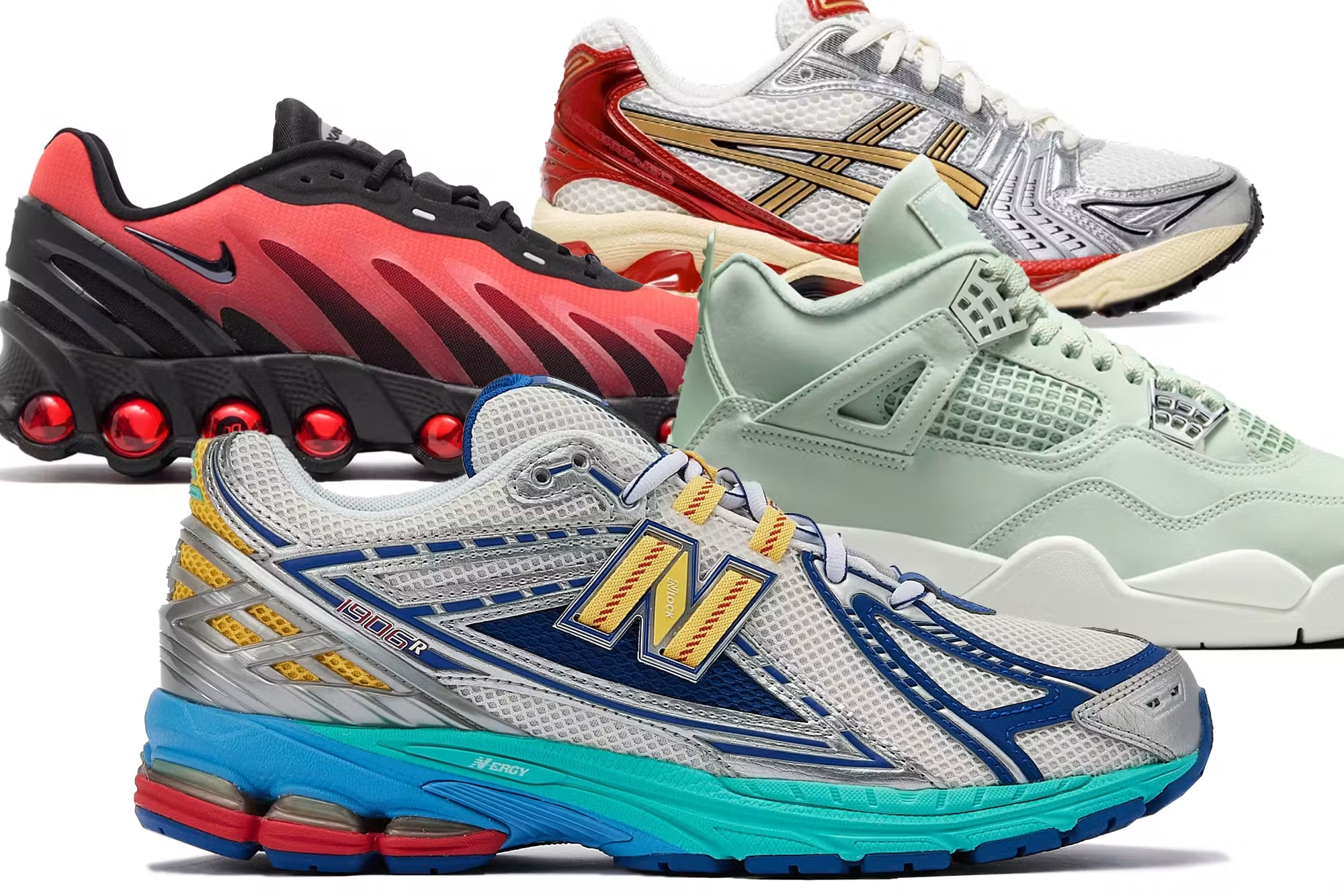
Photo: sneaker boxes stacked reseller shipping packages, via www.highsnobiety.com
The fantasy is well-worn by now: buy a few pairs at retail, flip them within a week, pocket hundreds per pair, repeat. It's a story that sold a generation of teenagers on sneaker reselling as a career.
We asked three working resellers — none of them big names, all of them grinding — to open their books for one release cycle. Here's what the ledger actually looked like.
Reseller One: The Commuter, Compton, CA
Marcus, 28, works warehouse logistics and resells on the side. He copped two pairs from a mid-size release using a manual approach — no bots, just a good internet connection and years of checkout practice.
His costs: roughly $510 at retail for both pairs, $22 in gas and shipping supplies, and about six hours across release morning, packaging, and two meetups with local buyers. Take-home after fees: about $190 in profit.
'Per hour, that's worse than my day job,' he says. 'But it's $190 I didn't have. You just can't look at it like an hourly wage, or you'll quit.'
Reseller Two: The Bot Operator, Kansas City, MO
Dylan, 24, runs a modest bot setup — a $50 monthly subscription, plus a proxy service at another $30. His release-day results were better on paper: four pairs secured, around $640 in gross profit.
But subtract the $80 in monthly tooling costs, $45 in shipping, $70 in gas driving to FedEx and meeting buyers, and the nine hours of setup, monitoring, and failure retries, and his net lands near $445 — for the whole month, since this was his only release cycle that period.
'The bot doesn't print money,' he says. 'The bot buys you lottery tickets. Sometimes the lottery tickets are just shoes.'
Reseller Three: The Local Flipper, Wichita, KS
Tasha, 31, skips bots entirely. She buys one or two pairs per release in sizes she knows move locally — mostly 10.5 and 11 — and sells through Facebook Marketplace and word of mouth.
Her numbers are the smallest and, arguably, the healthiest. Two pairs, $90 profit, three hours total, no subscriptions, no failed checkouts. 'I'm not trying to quit my job,' she says. 'I'm trying to make my sneakers free.'
The Actual Math
Across all three, the pattern is consistent: the bigger the tooling, the bigger the overhead, and the thinner the margin between profit and break-even once you count time. The 'easy sneaker money' narrative survives because nobody factors in the failed releases, the dead pairs that sit for months, and the hours of refresh-screen labor that produce nothing.
For most small resellers, this isn't a business. It's a second job that pays in uneven bursts — occasionally well, often barely, and always later than expected.